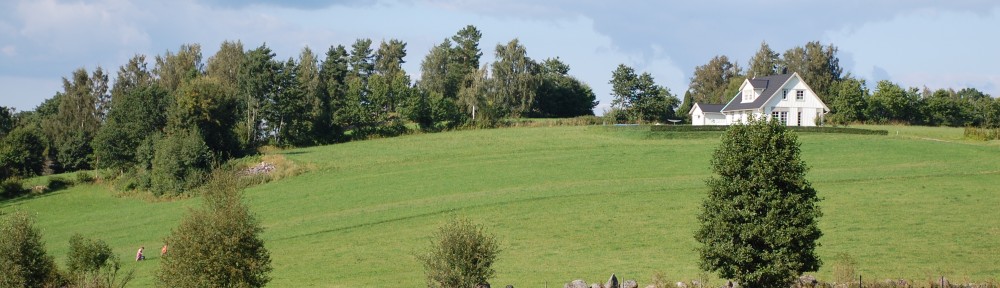
In the landscape of Småland in the southern part of Sweden;
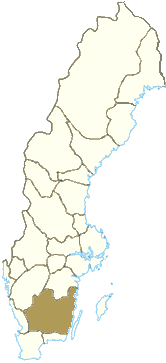
there were many districts.
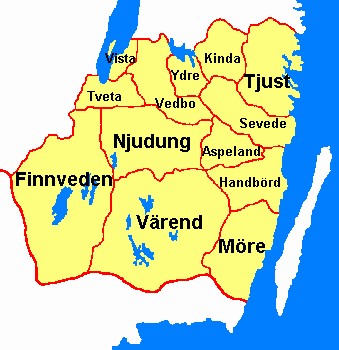
In the northwest- between Gränna and Tranås- Vedbo District is situated. It is divided into a northern (Norra Vedbo) and a southern part (Södra Vedbo). In the Northern part, Adelöv parish is situated where we find Sötåsa as one of the small villages.
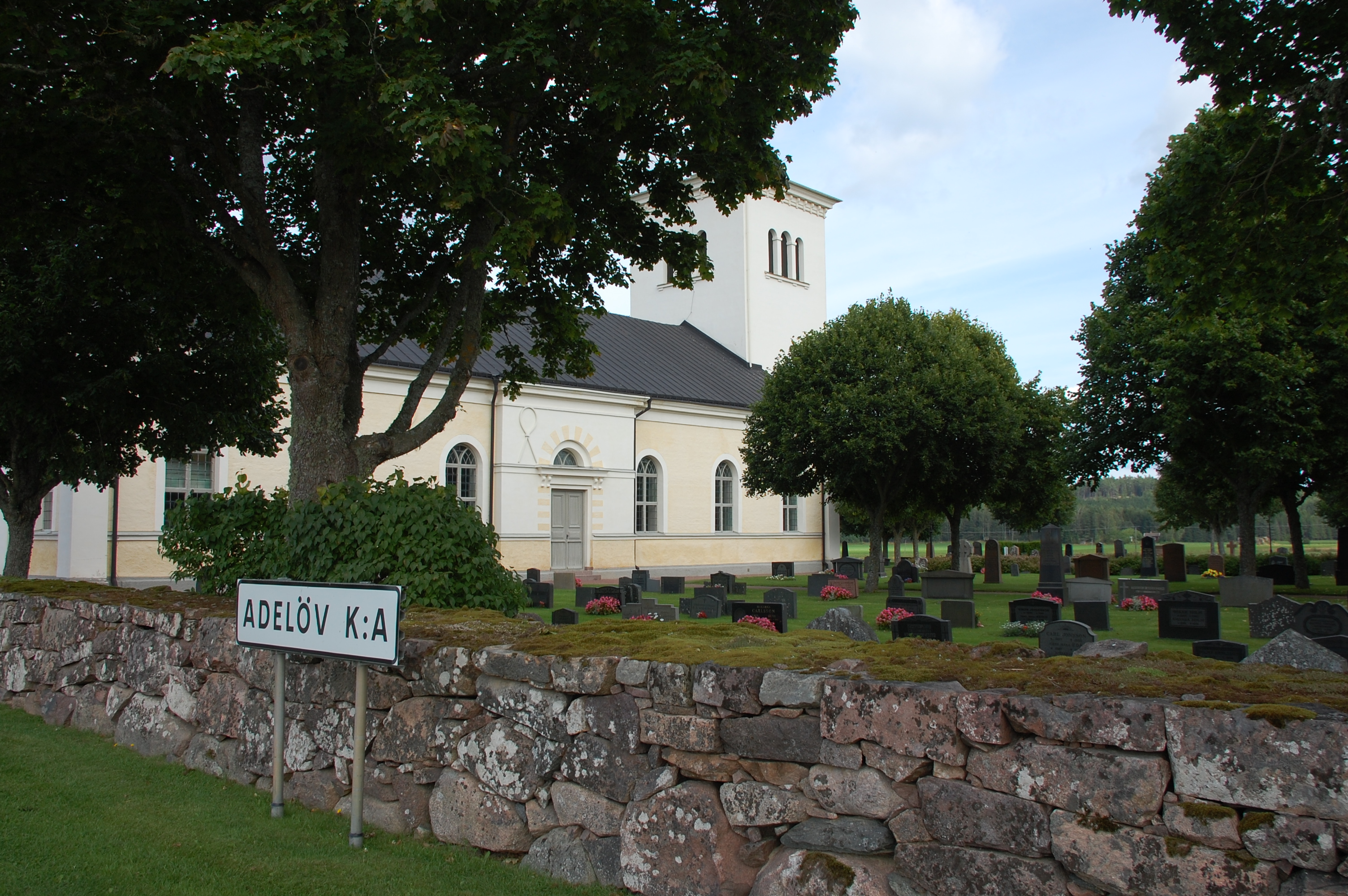
Adelöv church is in the center of the parish:
Sötåsa is one of the many villages in Adelöv parish. (See map by pressing the colored names)
Sötåsa village had 3 big farms in the 1800s:
Sötåsa Norrgård = North farm, Sötåsa Mellangård = Middle farm and Sötåsa Södergård = South farm.
Sötåsa South farm consisted of 3 main parts in the 1800s:
1. The old house where the family first lived and later Johannes and Anna-Greta stayed at the Exclusion-contract. (See Johannes page)
2. the new house built 1869 by Johannes (does not exist any more)
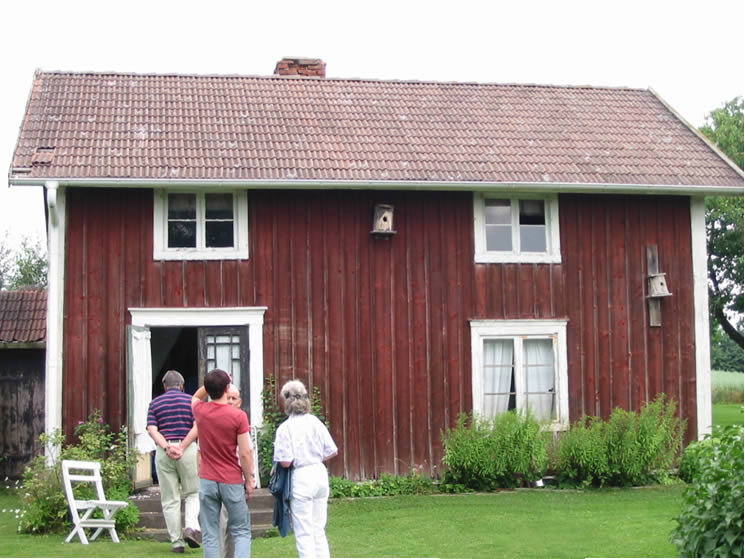
(Put arrow on the photos to get description of pictures)
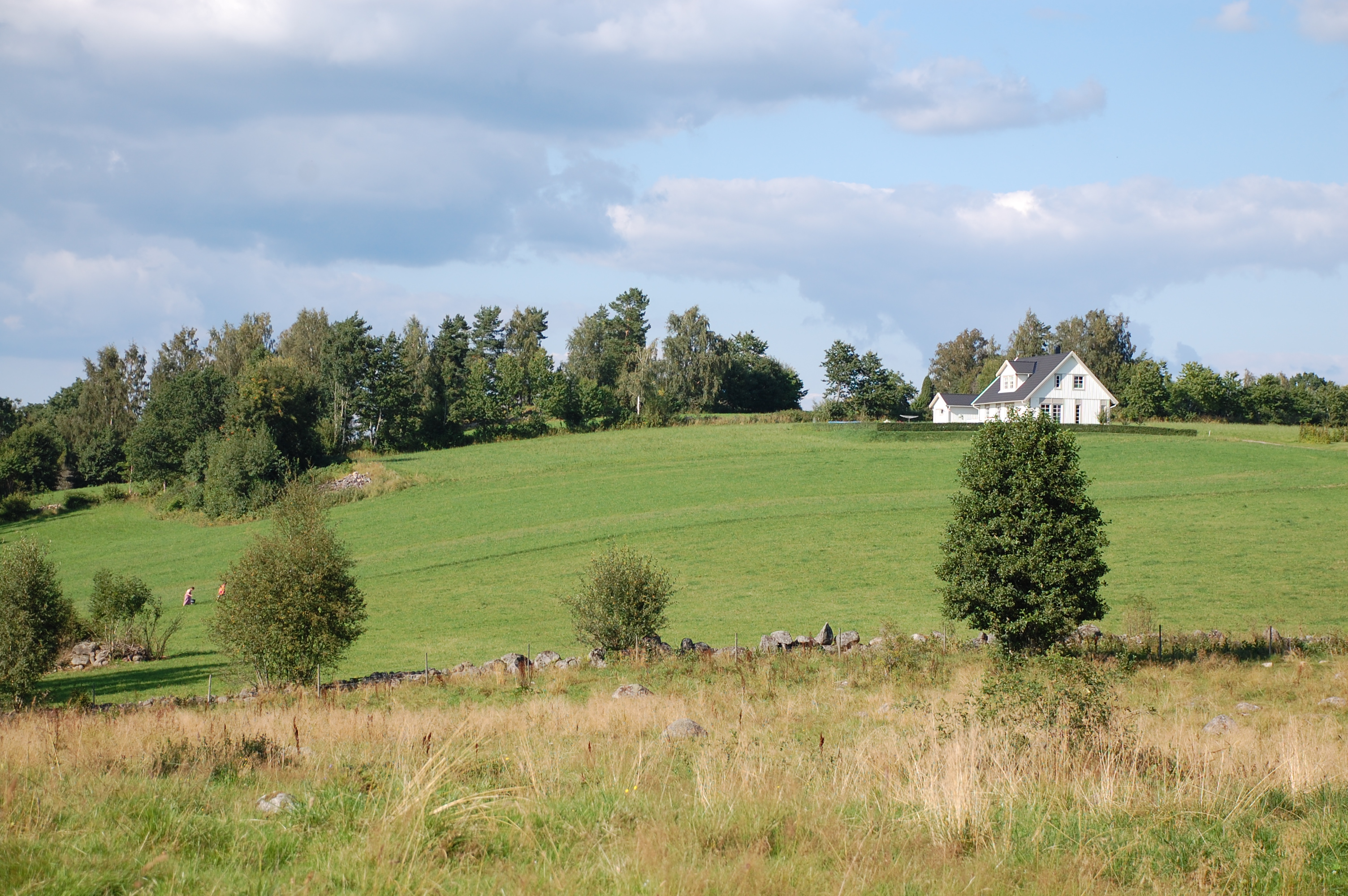
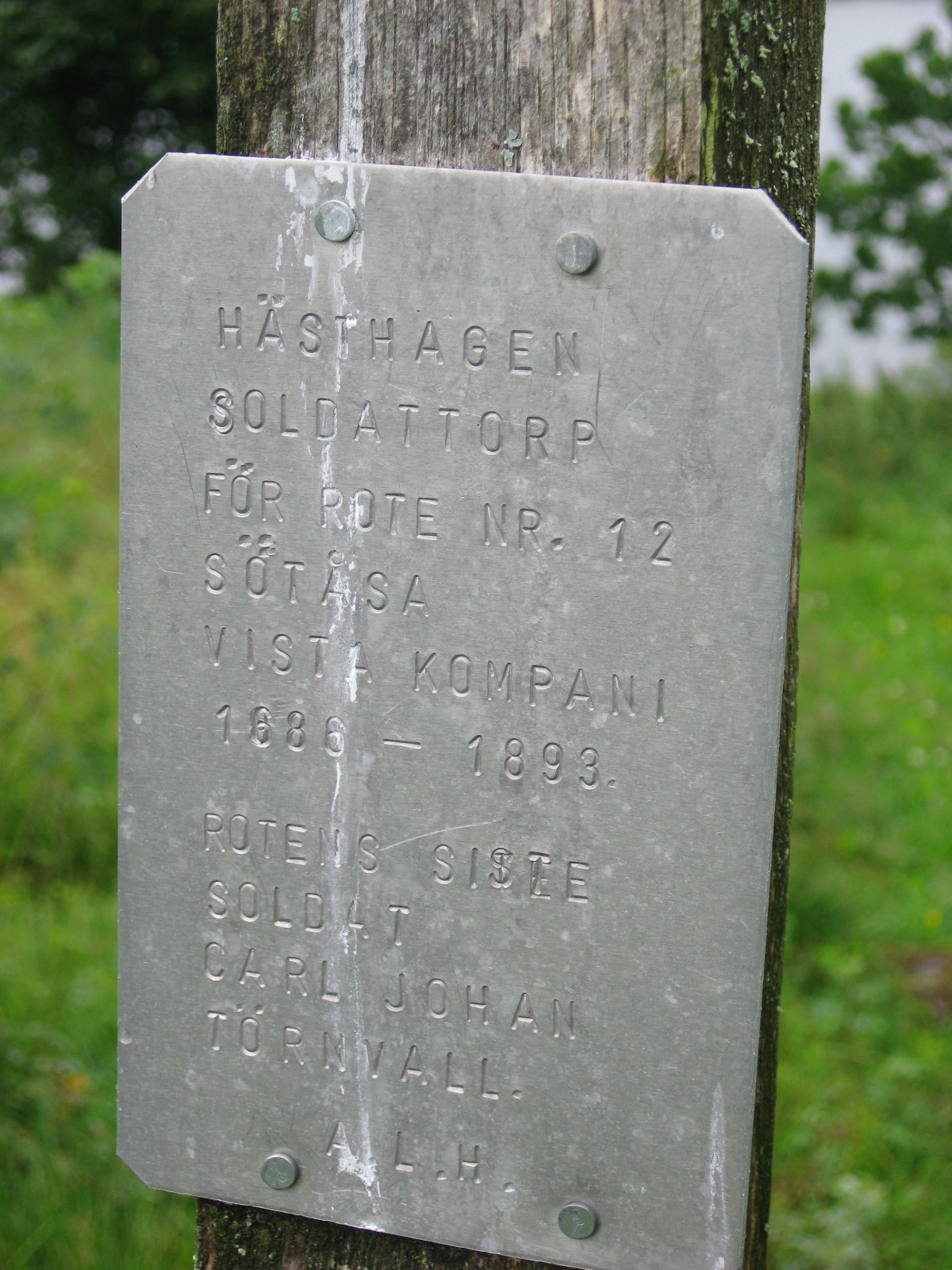
3. One little house for a soldier: Soldattorp nr 12 Hästhagen= a little cottage which a soldier in the Swedish army could live in as long as he served the army. This was a common way farmers paid a sort of tax, by having a soldier at their farm and the tax was paid to the soldier by giving him shelter and defined amounts of foods and tools etc. A 200 year old tradition going on from the 1600s to 1901. There were clear rules about in what condition that place should be in. Inspections were made and documented. If the soldier was killed or died, his family had to move, but could get some help at least for a while. The soldier living at Sötåsa South farm 1853 was G Ax*- (*swedish article about Soldiers life)
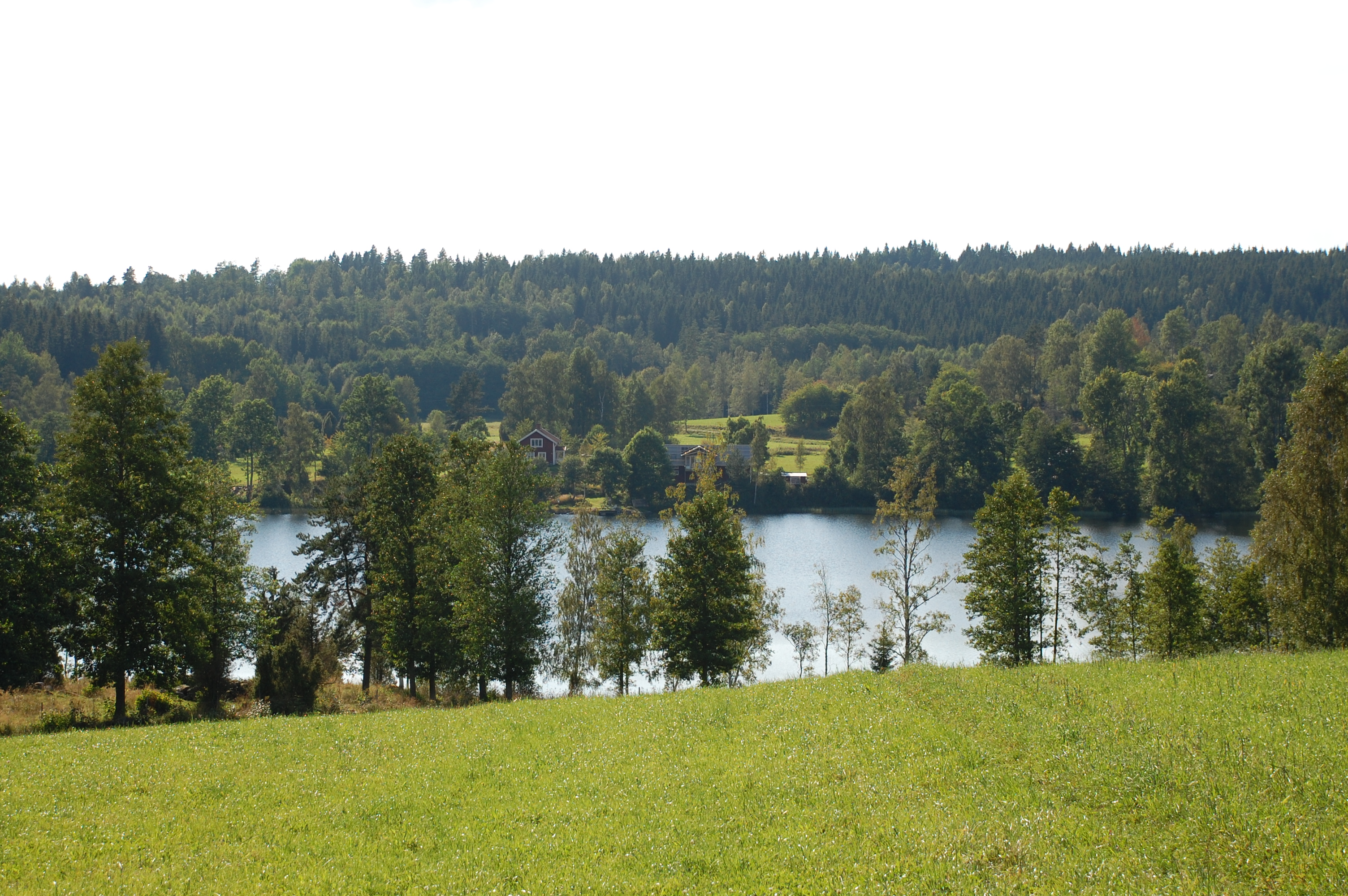
The view over Sötåsa lake: Önnestorp farm is on the other side of the lake.
 T
T
The history of Sötåsa in our family goes far back.
All the children of Johannes and Anna-Greta were born in Sötåsa South farm. They all moved away eventually. The oldest daughter Christina and her family stayed for quite a few years on the farm and worked together with her parents. It was sold to the neighbours of Sötåsa in Källevik 1874 by Johannes and Anna-Greta who were in their 70ies. Christinas family then moved to the other side of the lake, to Önnestorp, where they bought some land. Johannes and Anna-Greta stayed at the farm on a traditional Exclusion contract at the farm for the rest of their lives and even after the first buyer died and the sons took over. The youngest daugher Matilda was 16 years old at the time of selling and was still living at home. The contract ended 1900 as Anna-Greta died.
We have been wondering about the fact that the farm was not inherited or bought by one of the many children. It was sold to Johan Johansson in Källevik and later taken over by his sons Johan and Georg Johansson. Based on this it seems as if these neighbours were at good terms. The answer to this question will remain a substrate of speculation.
Johannes’ mother Stina (1769) and her brother Johan and sister Maria had grown up in Källevik, the neighbouring farm. Johannes’ father Håkan Johannisson, came from a neighbouring village- Boaryd.
In 1793, at Sötåsa South farm, a Jonas Svensson (1729) lived there together with his wife Maria Olofsdotter, both from Adelöf, and a Nils Monson (1754) with his family of wife and 2 daughters.
?It has been said there was a selling contract where Stina (Johannes mother) was becoming the owner of the neighbouring farm Sötåsa South farm. (?)
Johan Larsson- Stinas brother, took over Källevik by 1803. Stina and Johan and their mother Cisilia had resided in Bållarp farm (north of Sötåsa lake) during some time after 1797 as they left Källevik for some years (The father Lars died 1800). Stinas brother Johan died only 49 years old and the rest of his family moved to Nöttekulla, another village in the same parish. Eventually a Johan Svensson from Lomma moved to Källevik and his son Johan was the one who bought Sötåsa South farm from Johannes 1874. (By now we dont know if these people were related in any way)
Below is a map where You may zoom in over Sweden: where the red pin is : is Sötåsa South farm