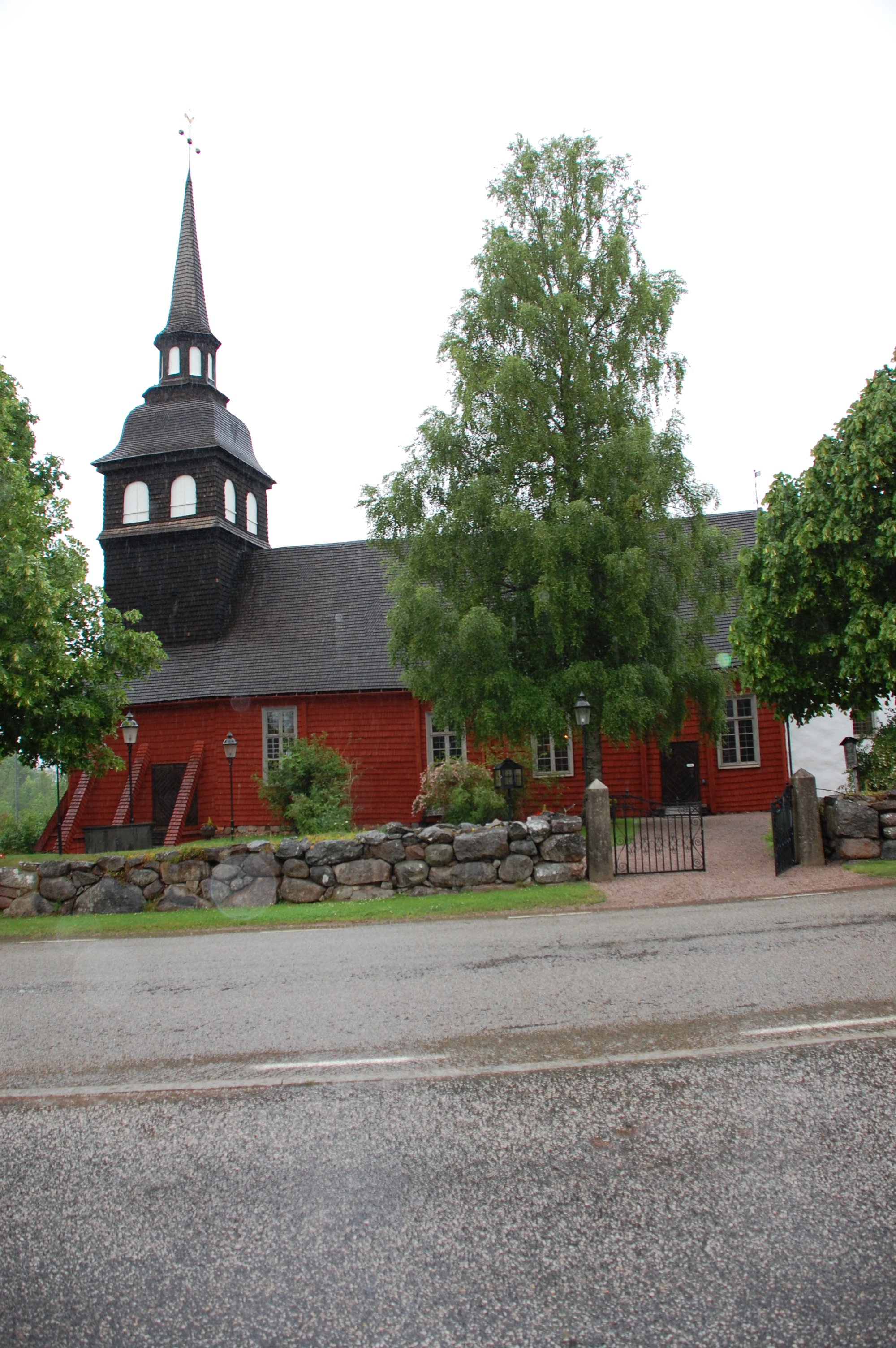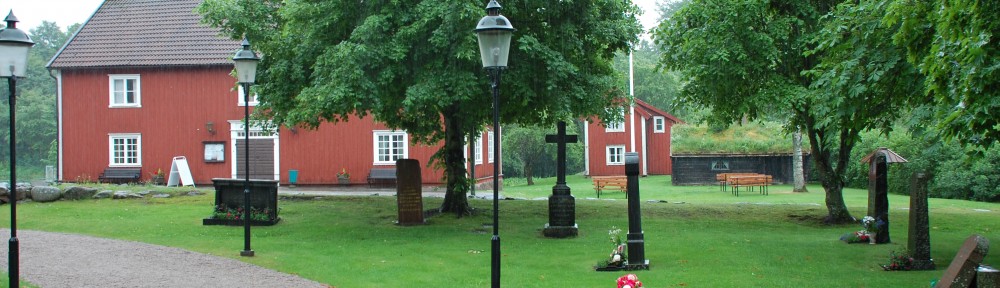
Picture above: Vireda parish village where the old little cottage to the right is very old and most certainly was visited by Sofias ancestors through the years.
Sofias Mother: Stina Lisa Carlsdotter (20 Sept 1811-1897)- Sofias father: Johan Samuelsson Sötåsa Norrgård (29/9 1813 -) His father and Sofias grand-father was Samuel Johansson 12 April 1787.
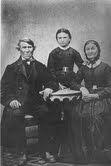
Johan and Stina-Lisa Samuelsson lived in Sötåsa Northern farm
Sofias mothers mother: Lisa Johansdotter-Hagström 1784 –
Mothers mothers mother: Maria Jaensdotter Hagström 7 Jan 1747- (ArkivDigital Vireda Births Churchbooks AID:v36508.b196.s403)
Mothers mothers mothers mother: Britta Johansdotter- Roth – Korp Born 29 dec 1702 -(AID: v36507.b126.s275??) – married to Jaen Hagström Olofsson in Elmberg, Vireda 6 Dec 1743 (AID:v36508.b130.s271)
????? Mothers mothers mothers mothers mother: Anna Roth Jonsdotter from Elmberg 1673 – 1743 April 10. She was married to ‘the rider’ Johan Olofsson-Korp 7 April 1697 when she was 24 years old (AID:v36507.b194.s419). They had their first child Maria 28 febr (AID:1798. v36507.b189.s409)
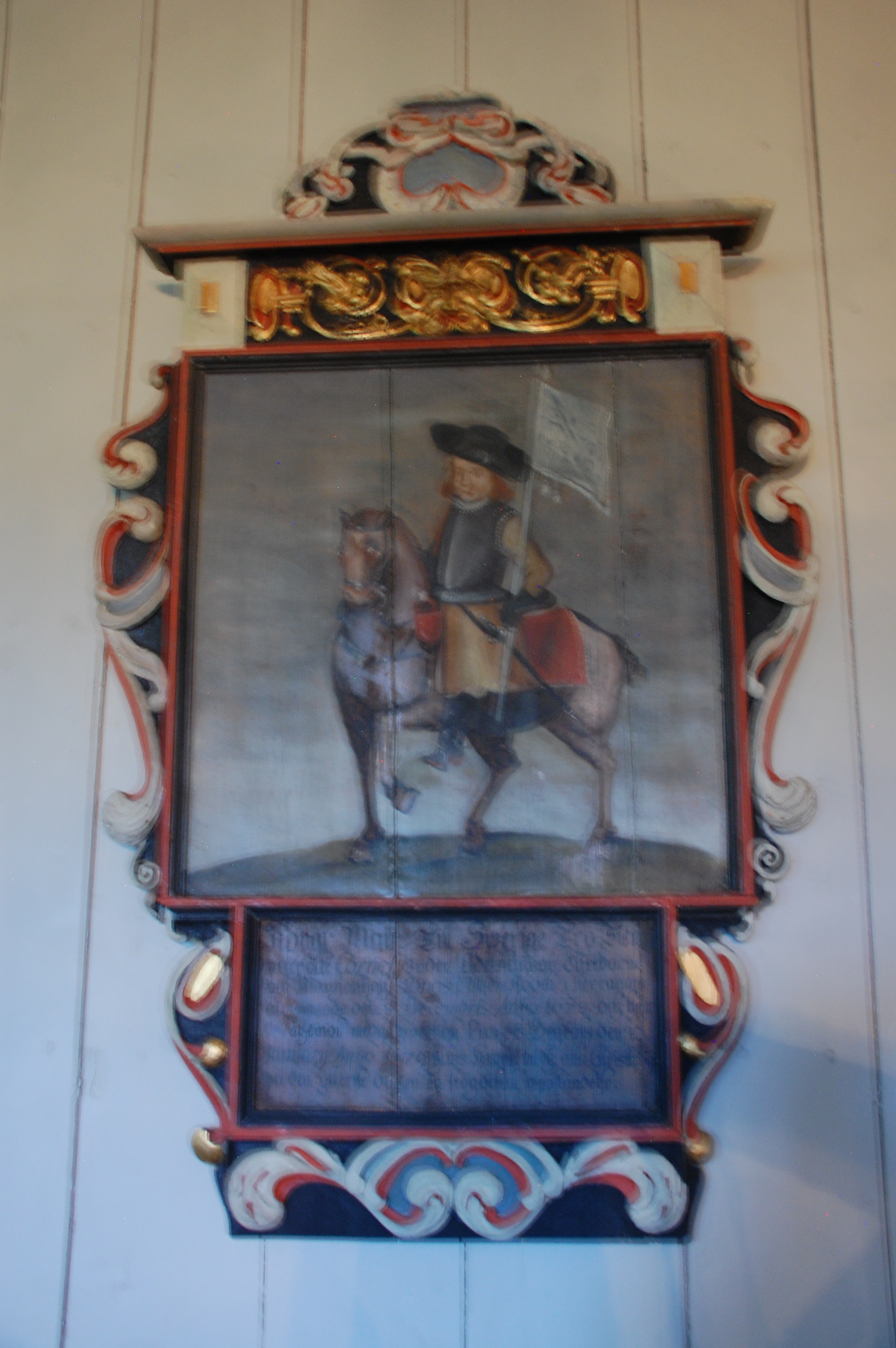
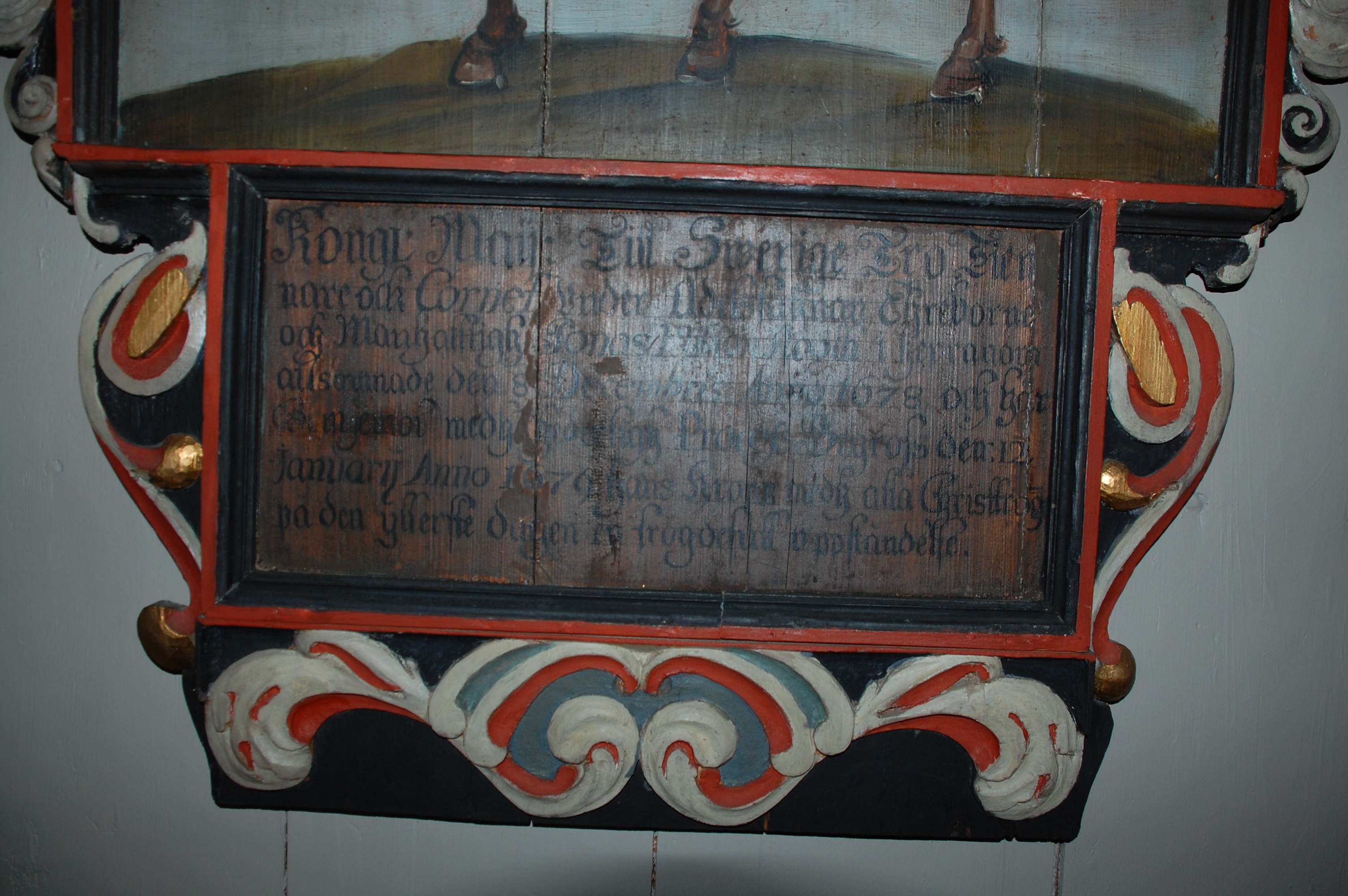
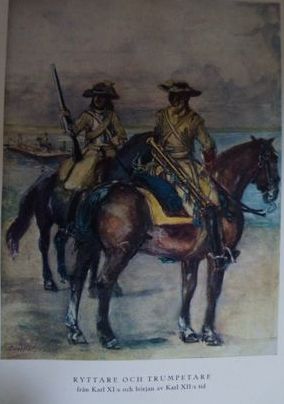
Anna* Rooths father was Jonas Rooth*, cornett (1630-1678)- an officer, carrying the flag in the Military company. He was born 1630 during the 30-years of war (1618-1648) when Gustav II Adolf was creating a strong protestantic superpower in Europe.
The contemporary TIMES OF Jonas Rooth- 1600s
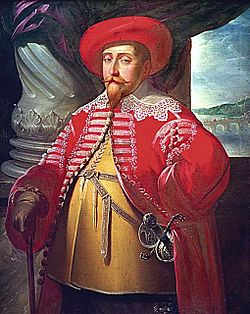 Gustav II Adolf diseased 1594-1632 in the Battle of Lützen and he was followed by his 6-year-old daughter Queen Kristina (1626 – 89)who was guided by the strong and skillful Chancellor Axel Oxenstierna in the wars and raised to be a knowledgable lady. She was an independent ruler from 1644.
. 
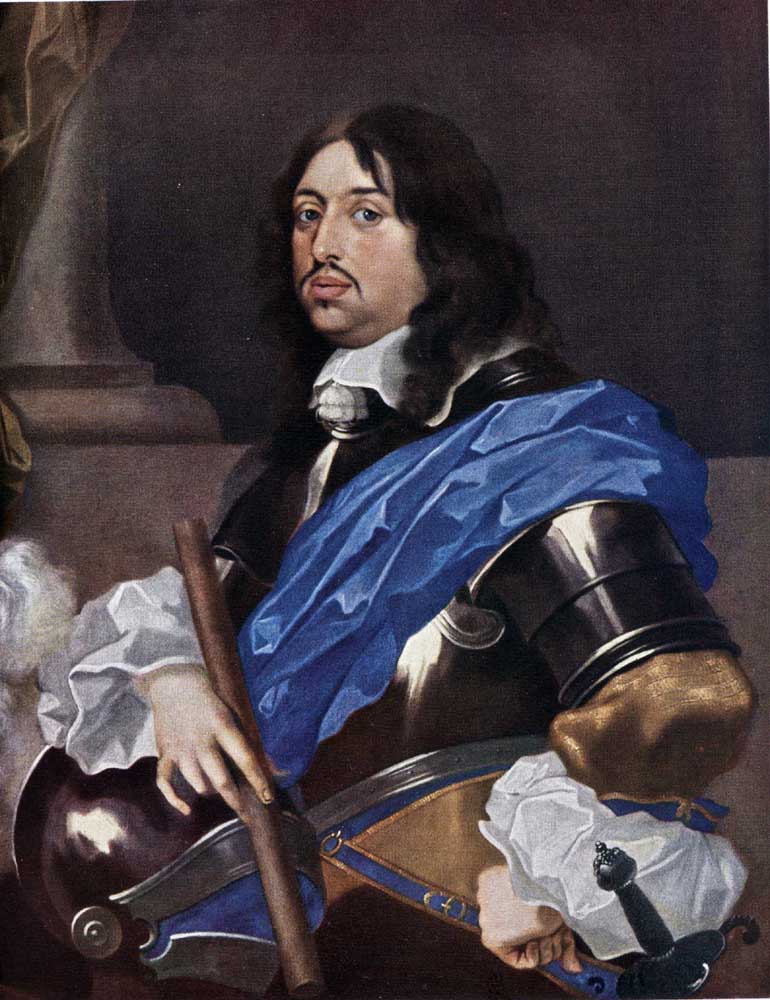 She abdicated 27 years old (1653) to become a catholic and settled in Rome, the rulership was taken over by her cousin Carl X Gustav (1622-1660) who also was a successful war-leader. In a very eventful occation, he had his armies march over the frozen ices of Öresund to Denmark and won the big victory of Roskilde where Sweden took Skåne (the southern part of Sweden) from Denmark 1658.
 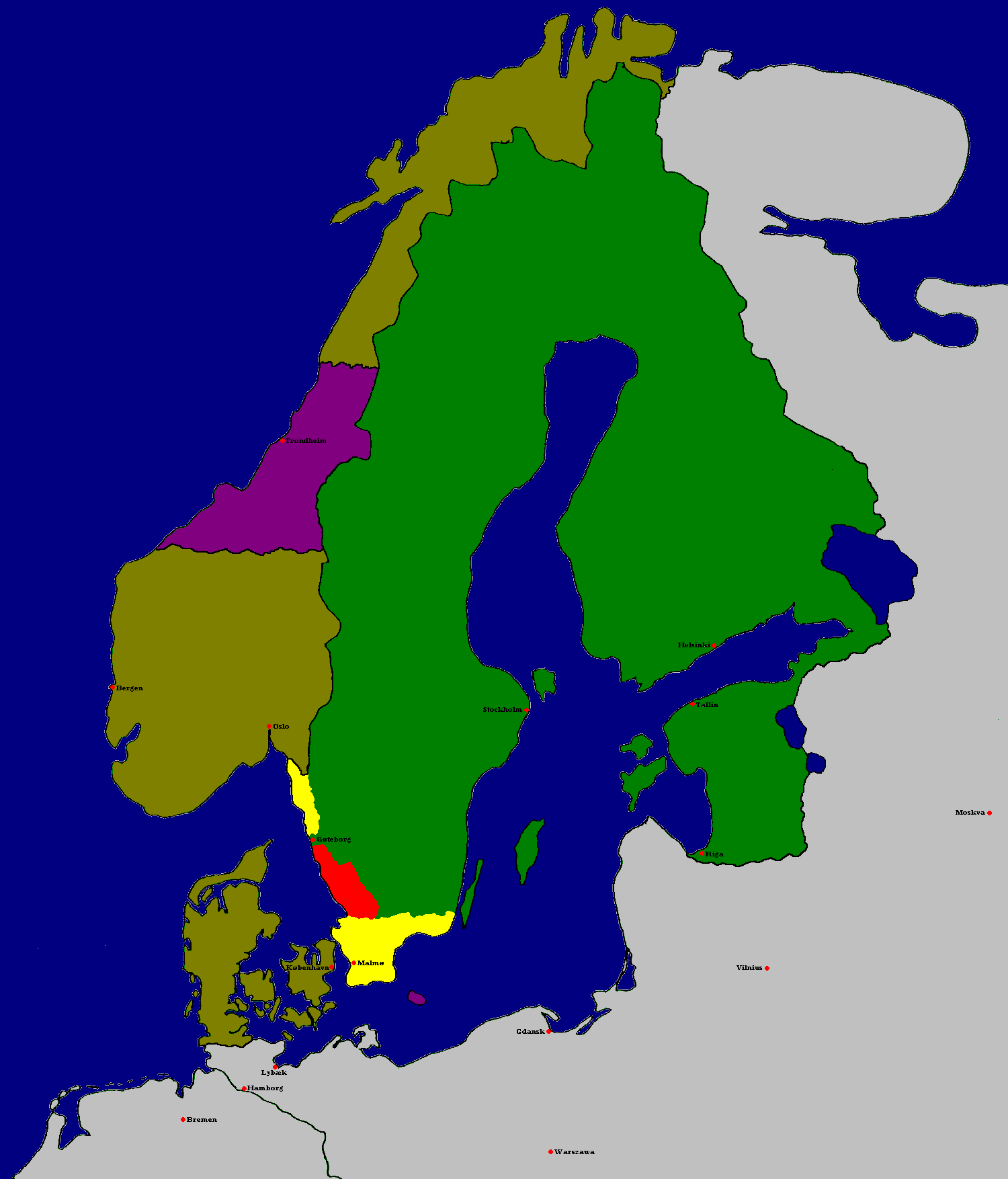 This was followed by a hard time for the reluctant danish people of Skåne, who were forced to learn Swedish, or they would lose their benefits- a very efficient way of ‘Swedenize’ the region. Carl X Gustav died though in pneumonia only 37 years old, 1660, leaving his son Carl XI, 4 years old – to a regency led by, above all, Magnus de la Gardie who had married Carl X:s sister.
 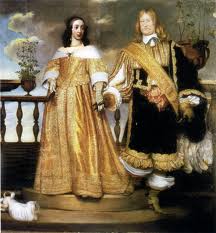 He was not interested in continuing wars and spent the state money more on cultural development as renovating and developing beautiful castles. He was a very mighty and rich man but spent enormous amounts on the little powerful noblemens interest.
 By the time Carl XI (1655-97) became 18 years old- 1875- and was crowned, the state savings were very spare.Carl himself was trained to become a king but was not very interested in the politics. He was dyslexic and withdrawn and he started to be questioned by the rulers if he ever would suit to be a good king. The summer of 1776 the Danes attacks Sweden by Skåne to take it back. The young Carl XI – 21 years old- is abandoned by Magnus de la Gardie, but instead supported by one of Magnus younger critiques Johan Gyllenstierna. They gather an army of 8000 men and meet the Danish king and his brother in law: Christian V – in the battle of Lund 1876. 9000 soldiers die- being one of the bloodiest wars in world history
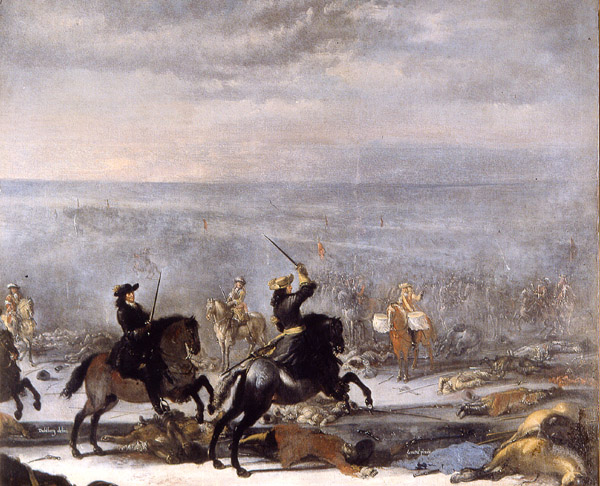 It is frozen in the middle of the winter so they cannot bury the bodies until the spring comes. Then they are buried in massgraves where they still are. Sweden is the winner of the war, but the prize is high. Carl the XI gets a terrible experience from this war, loosing so many men and seeing the terror of it and this makes him try to avoid all kinds of war after this. But he has to make up with the opposing ‘swedish danes’ in Skåne. A group called Snapphanarna are led as an opposition by Sven Poulsen and he has organized guerilla groups, taken from all kinds of people in the southern parts of Småland and Skåne and the Danish wars will continue but Carl XI will put much effort and thought into curbing this opposition.
Jonas was fighting in these wars and dies in Västra Hemmeslöv, or ……….. Östra Sönnerslöv, (??)- …………………….Skåne, Dec 8 1678.
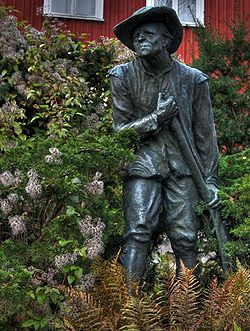
This is also the turn for the noblemen, and the king forces them to give back all the castles and riches to the state. (The Reduction) Magnus de la Gardies wealth is reduced from many many castles and mansions to one castle and he looses all his power. He is buried in Varnhems monestary church.
After Jonas Rooths death there is a thourough organization made by Carl XI, among the soldiers as they recieve a piece of land for their families each at a farmers land and the farmers have to follow certain distinguished rules for them so they will survive. On the other hand the farmers dont have to fight and the people may now live in peace. This becomes a smart peace-creating solution and it is so well organized and well-liked reform, so it lasts for 200 years. (1682-1901)
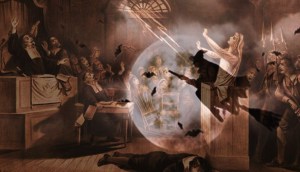
THE COMMON peoples atmosphere:
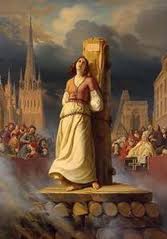
During this time the common people were very poor and many people were starving. The gap between the rich and the poor was never as wide as during this time. The church was string and preached strict messages about the devil and hell. People felt constricted and it was often combinated with superstition. Witchcraft was suspected in many places and 100s of people were executed, being accused of being in abundance with the devil. The witch trials were at its peak in history (1668-76) It was a mass psychosis without equal. People were drowned, burned, tortured and beheaded. It is Swedens largest mass execution in time of peace supported by the law. The law of punishment for witchcraft was abandoned 1779. 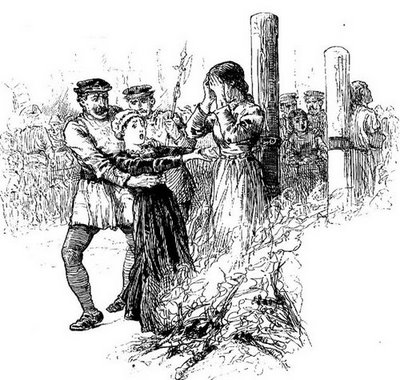
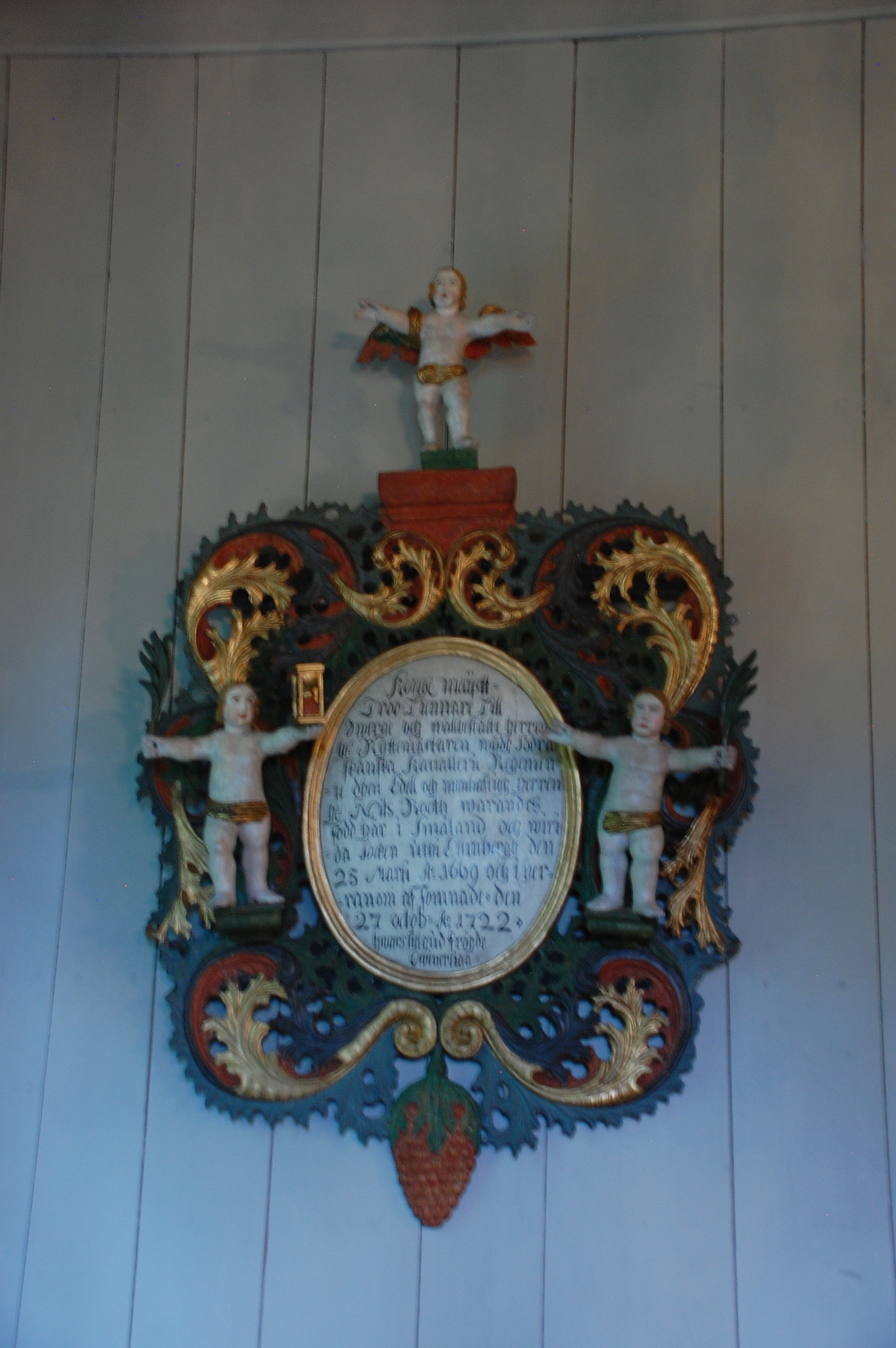
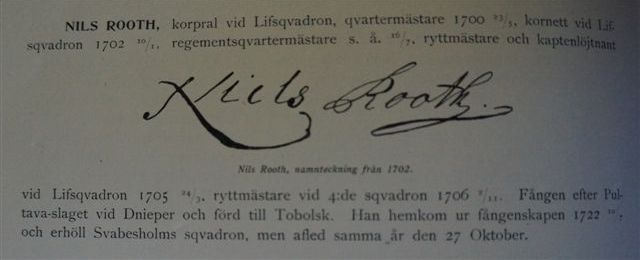
Jonas Rooth was married to Annika Olofsdotter (1635-1700) who was the daughter of the priest Korp and they had 4 children: Anna* 1664-1756, Anders (Andreas) 1673-1743, Johan 1672- and Nils Rooth* d y 25/3 1669 – 27/10 1722: See special history below!
Jonas was ennobled as he came home from the wars and got the farm Elmberg/Älmeberg in Vireda parish as a gift from the state.
Jonas Rooths father was Nils Nilsson, a farmer – diseased 1651. He was probably married to Sigrid Håkansdotter. They had 3 sons who went into the army- not unexpected during this time of the Swedish European wars. Sigrid was the daughter of Håkan Ingmarson, who was son of Ingmar Jonsson, who was son of Jon Nilsson 1542.
VIREDA CHURCH with the Arms of the Rooths*- see text by pointing at the pictures: