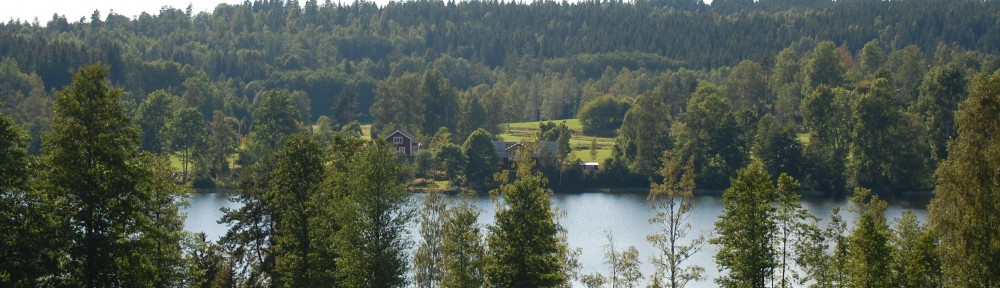
The Coverphoto shows the view from Sötåsa Södergård. On the other side is Önnestorp.*
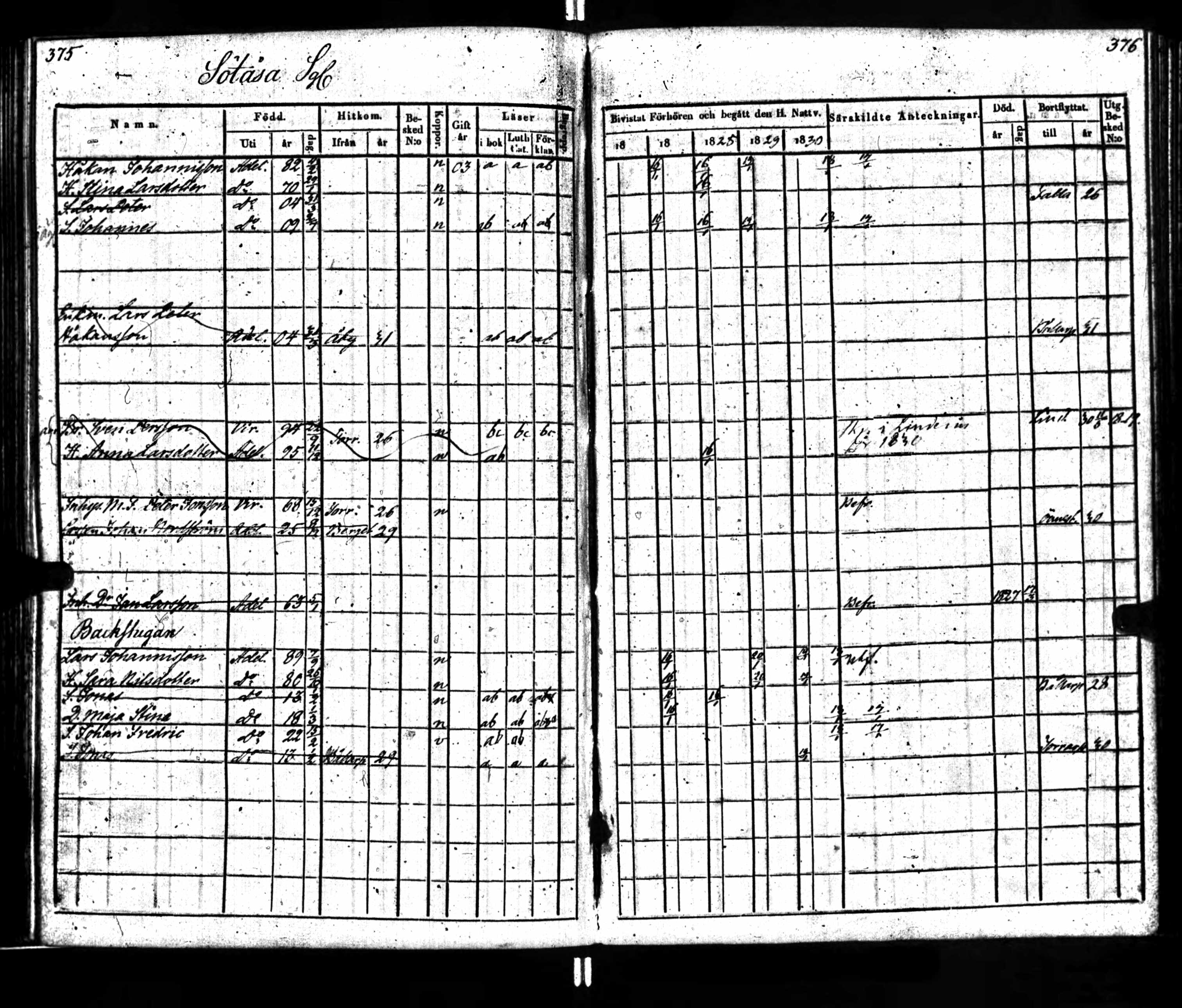
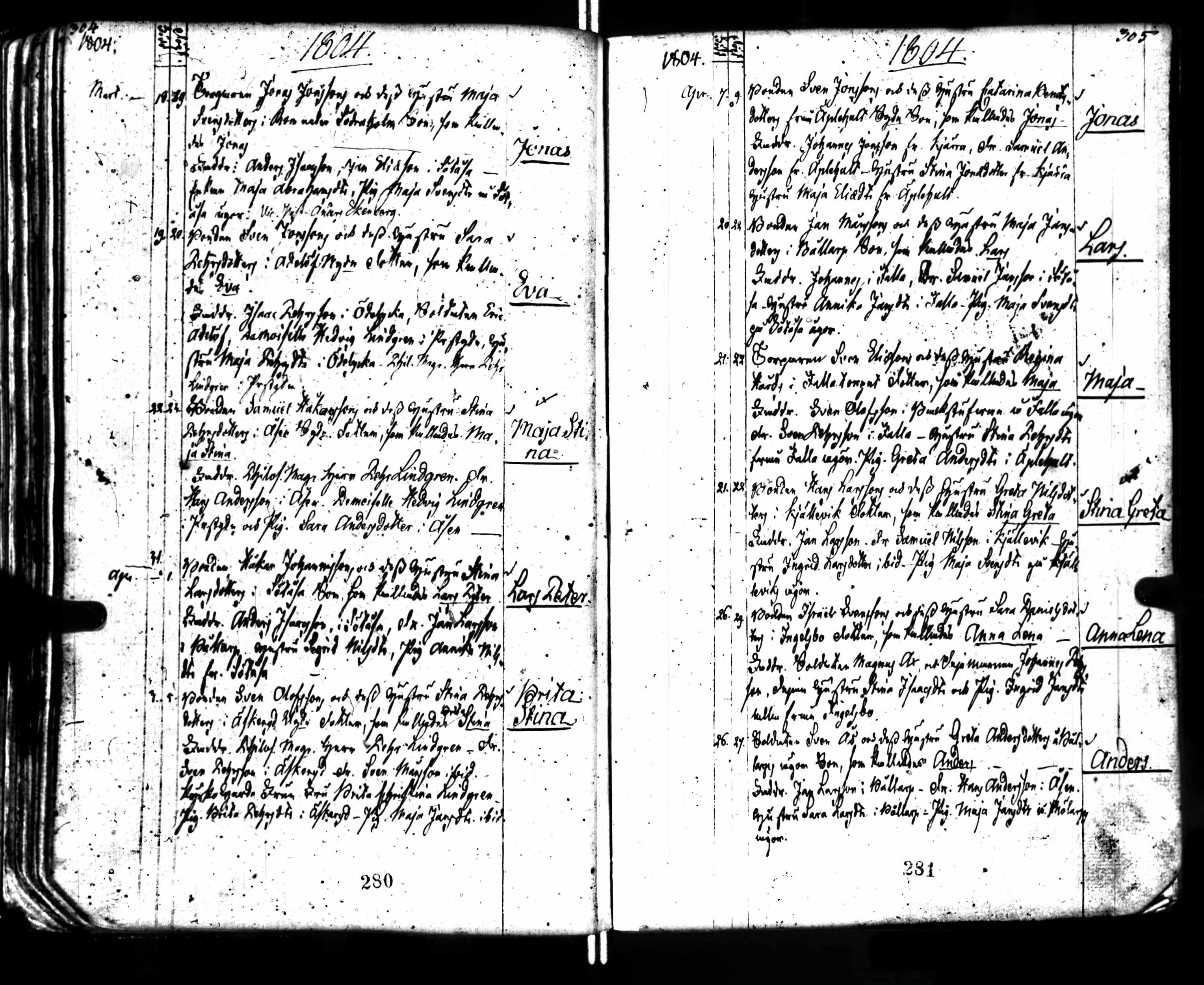
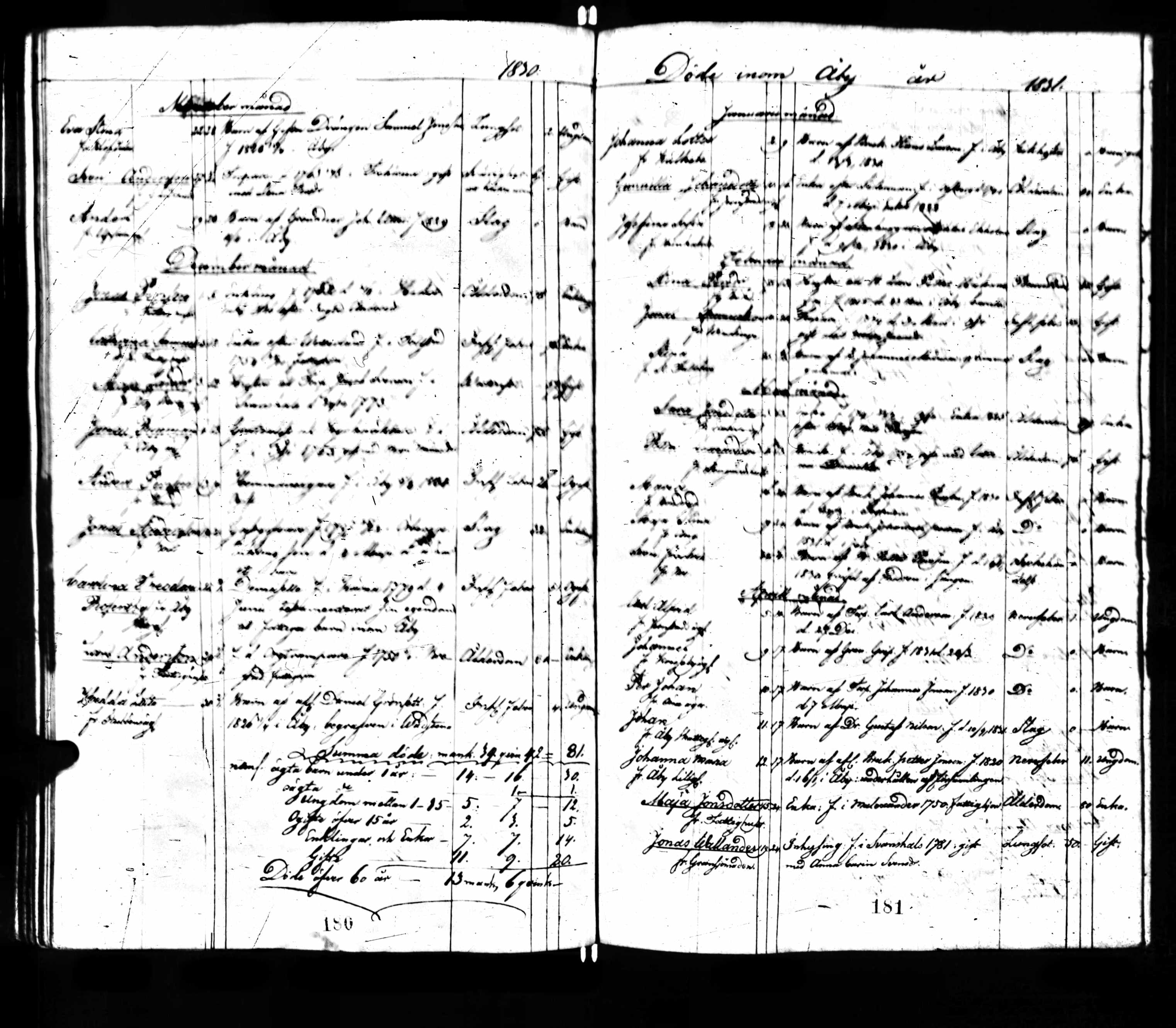
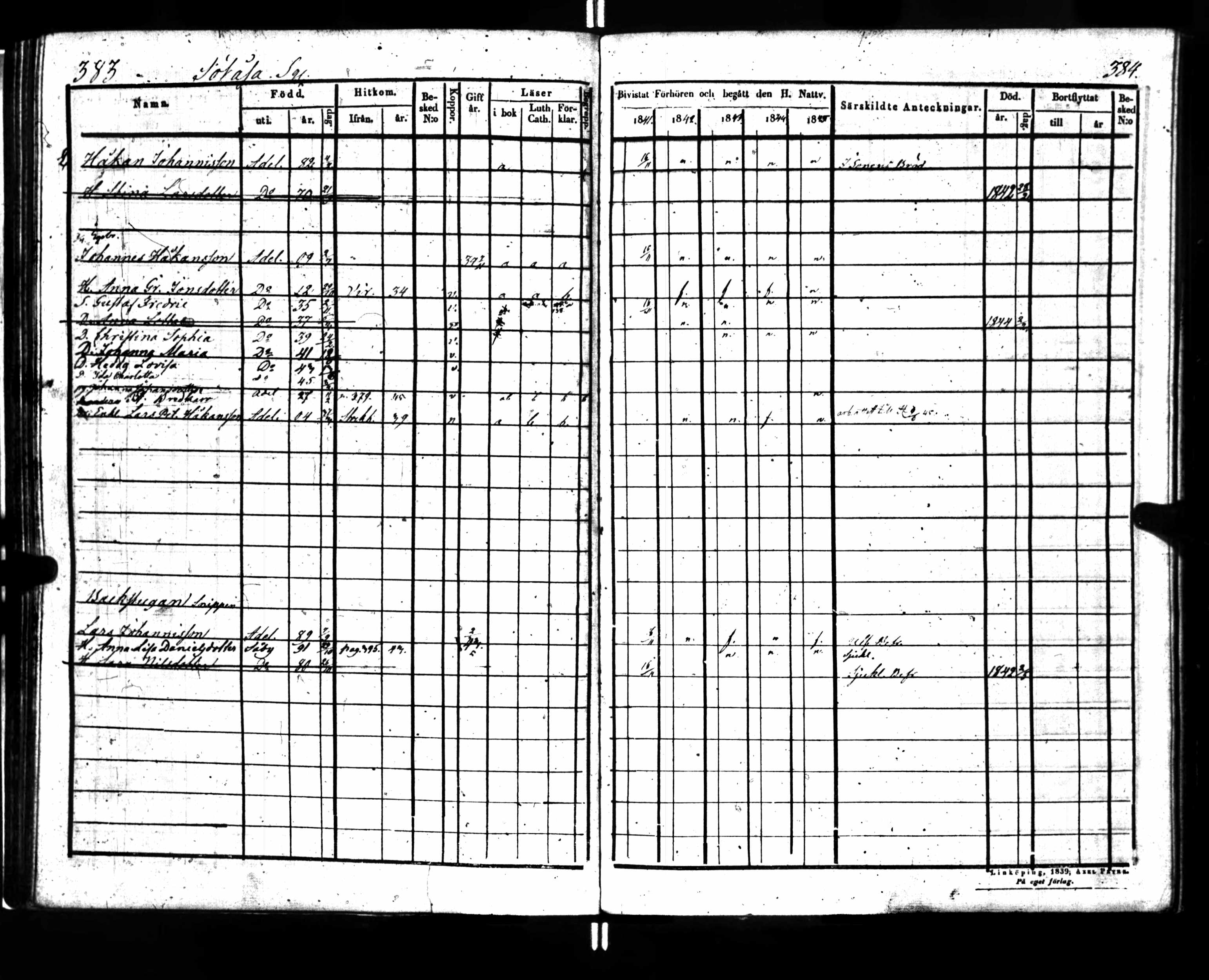
JOHANNES was born July 2, 1809 in Sötåsa South Farm. He was the second of only two children in Sötåsa. He was baptized July 9 – 1 week old in Adelöv church.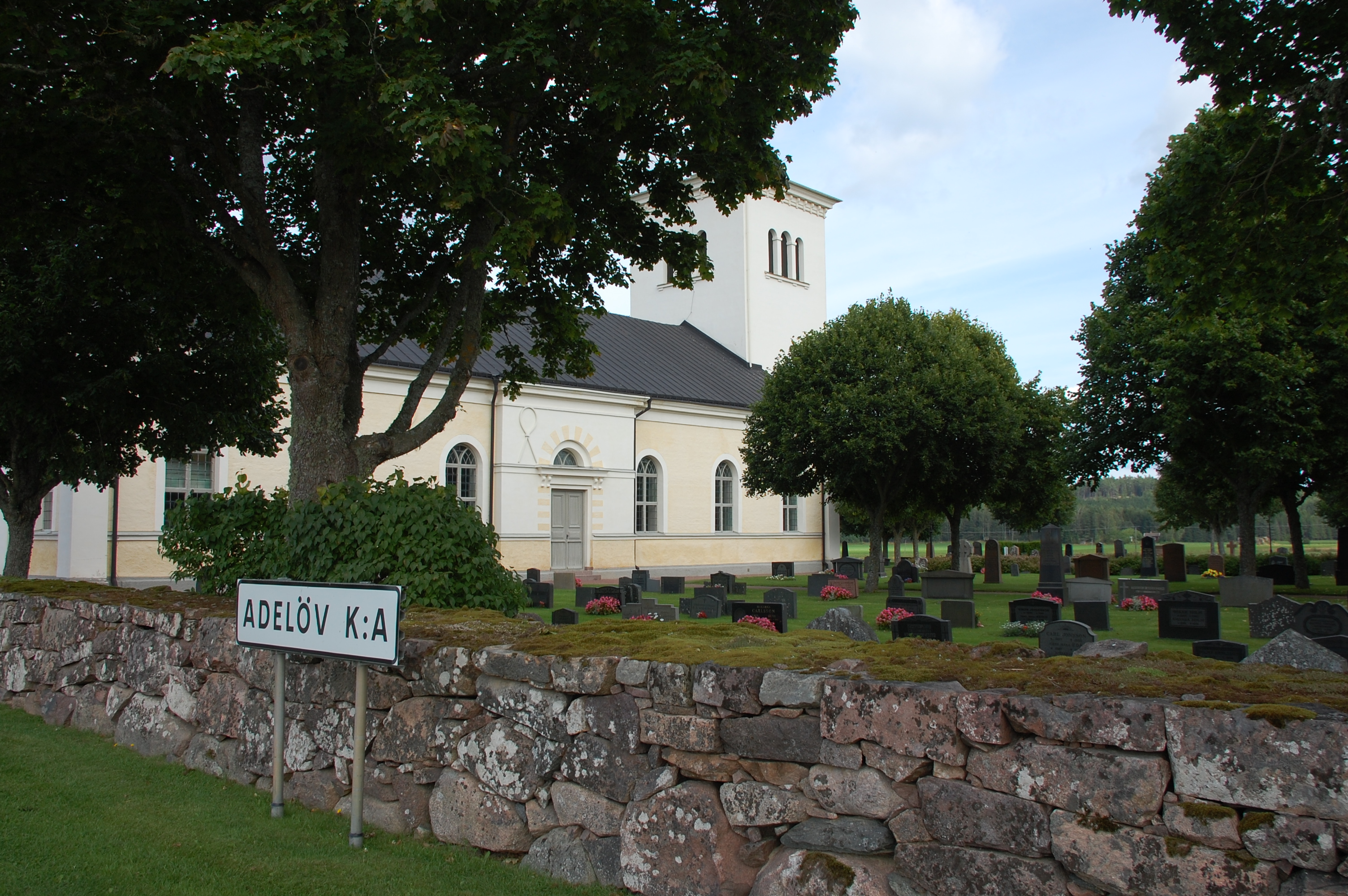 Johannes ‘faddrar’ – godfathers and -mothers came from Boeryd and Sötåsa. Boeryd was the place Johannes father came from. They were Johannes Johannesson *- Boeryd and Aina Samuels-dotter from Sötåsa, and an older farmhand Jan Larsson and a maid Maja-Lisa Davidsdotter.from Sötåsa.
*Johannes Johannesson was probably Johannes fathers 2 years younger brother- one of Johannes uncles.
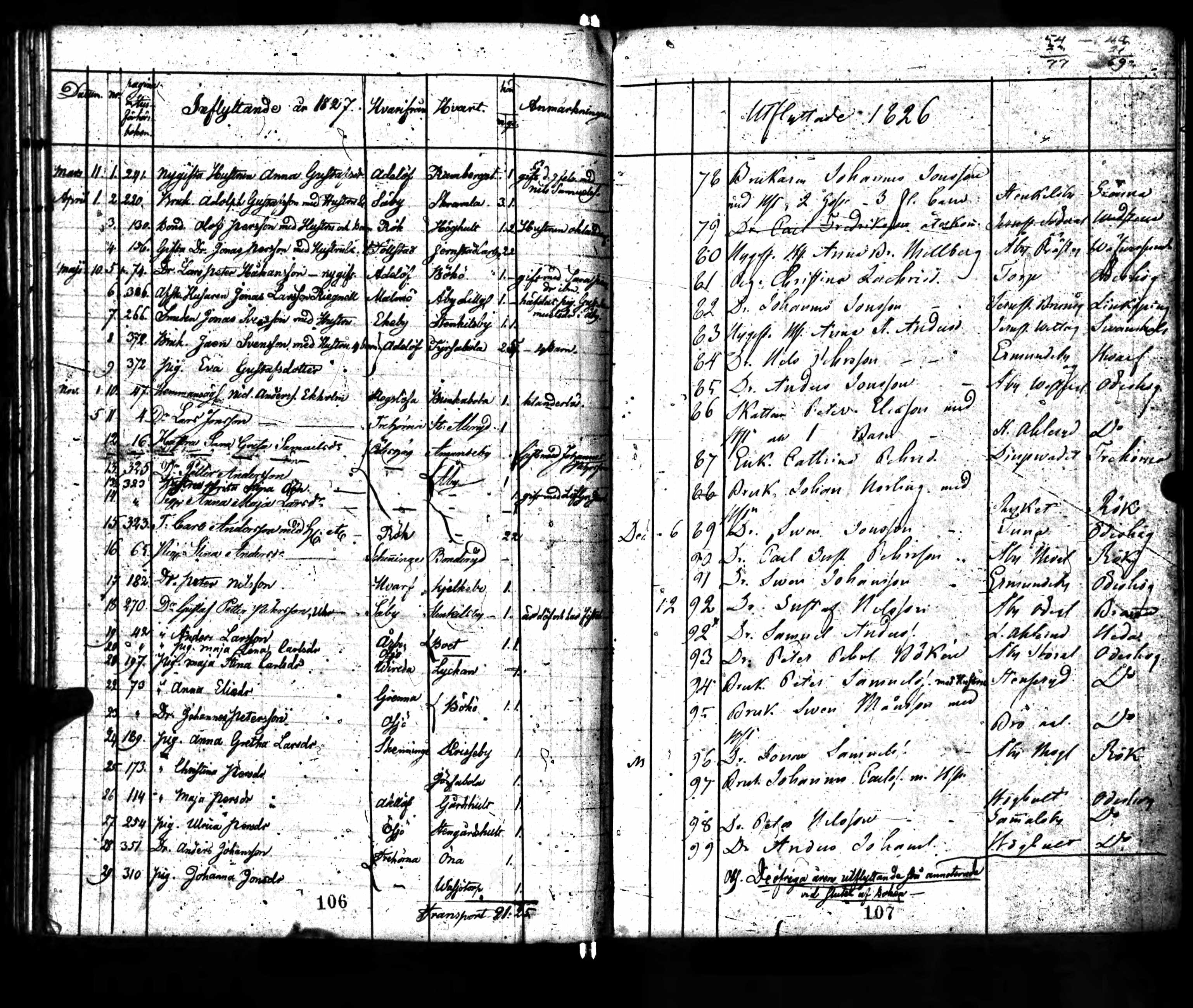
Johannes lived all his life at Sötåsa South farm, but at 18 years of age 1827, he went working as a farmhand to Åby , Ödeshög. He went along with his 5 year older brother Lars Peter and his newly-wed wife Sara Stina. Åby was the home-village of Sara Stina. It was very common that young people, growing up at farms, left for a year at the age of 18 to work in some other place. Lars Peter had also gone out to another farm at the age of 18.
Their father Håkan Johanneson was 27 years old, as Johannes was born and his mother Stina Larsdotter – was 39 years old – 12 years older than her husband.
Johannes’ mother was the one who had inherited/bought Sötåsa South farm in June 1797, as she was 27 years old. She had grown up in the neighbouring farm Källevik which her younger brother Johan took over. She is several times noted as sickly and taciturn in the churhbooks. We don’t know the circumstances around Håkans and Stinas marriage.
BROTHER LARS PETER: Johannes’ only sibling:
Lars Peter was born April 1, 1804.
1822, as Lars Peter was 18 years old and Johannes 13, he moved away to work as a farmhand in another farm for the first time. The farm named Falla was situated about 10 km northeast of Sötåsa by the lake Noen. He stayed there for 2 years, after which he came back to Sötåsa – 20 years old until 22. Then he went back to Falla farm again.
In April 1827- 23 years old- he married Sara Stina Persdotter, 22, born 25 november 1805 from Åby, Ödeshög. May 5, 1827 they moved to Åby as newly weds. They worked as farmhand and maid at Bökö farm, Åby. They gave birth to a daughter Johanna 25 Dec 1828, but she died only 1 day old.
1 Febr 1831 tragically Sara Stina dies 26 years old – probably in cot. Lars Petter goes back to Sötåsa (1831) from Åby, but only for a short while. He was now 27 years old and already a widower. He moved on to Bållarp which is a farm northeast of Sötåsa for a year. In Bållarp the family seemed to have bonds since Johannes mothers mother Cecilia had been working and staying there at times and also his mother Stina.
1832 he came back again to Sötåsaand stayed til Nov. 25 1833 as he moved on to Lommaryd
1839 Lars Petter is found again at Sötåsa coming back from Stockholm, Danderyd this time. There is no note of a spouse. In the churchbook there is a crossed over ‘Brother’ and he is called ‘Farmhand’ and ‘widower’ instead. He seems to have been there until 1845- for 6 years. No notice where he went after this.
JOHANNES and Anna-Greta bought Lars Petters share of Sötåsa 1835 – It seems as if Johannes was the favored son to take over the farm even if he paid Lars Petter his share. We have no idea about the circumstances of this.
Note that both sons had names after their uncles (-see portrait of their father Håkan Johannesson)
JOHANNES:
Johannes lived all his life in Sötåsa South where he also died Dec.17 1890- 81 year old.
He married AnnaGreta Jonsdotter (born in Humlefall, Adelöv) 7/11 1834 – 3 years younger than Johannes. He was then 25 years old
.
They had 11 children all together. Their second child Anna-Lotta died 7 years old. All the others became grownup.
His parents lived at Sötåsa until they died, too: His father Håkan until 1850 and his mother Stina 1842.
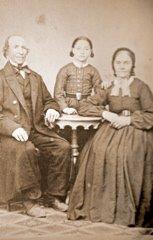
 Johannes was a a very handy man. A farmer and a smith and a carpenter. We think he even made clocks which was usual among smiths. In a little cottage at Sötåsa he made caskets for the dead in the village. Anna-Greta would prepare them for the funeral. He also had a smithy at the farm and he kept this even after he sold the farm, staying with Anna-Greta there on a special contract until he died. The house is still there at Sötåsa where those caskets were made – see below and the cover picture.
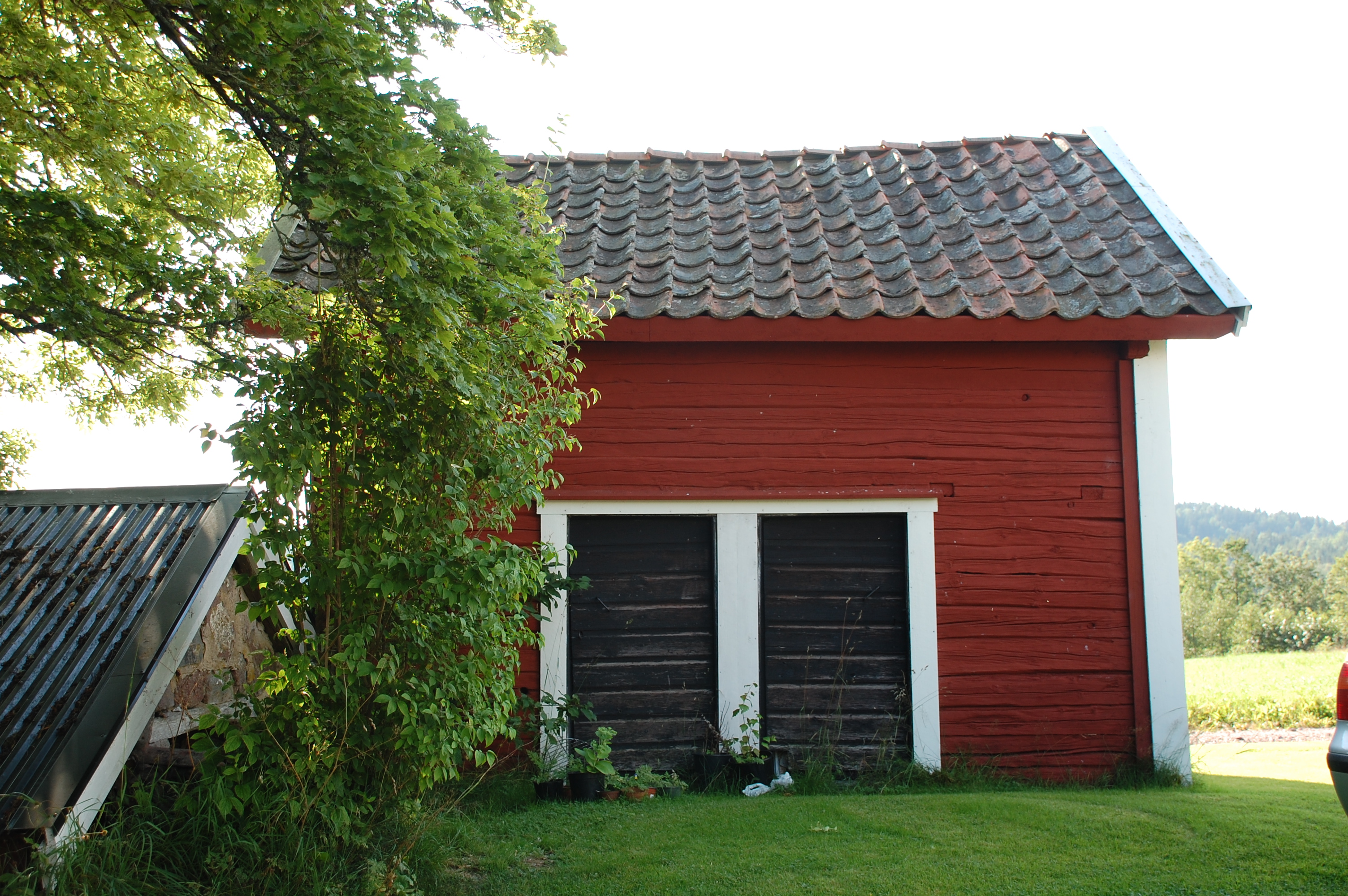
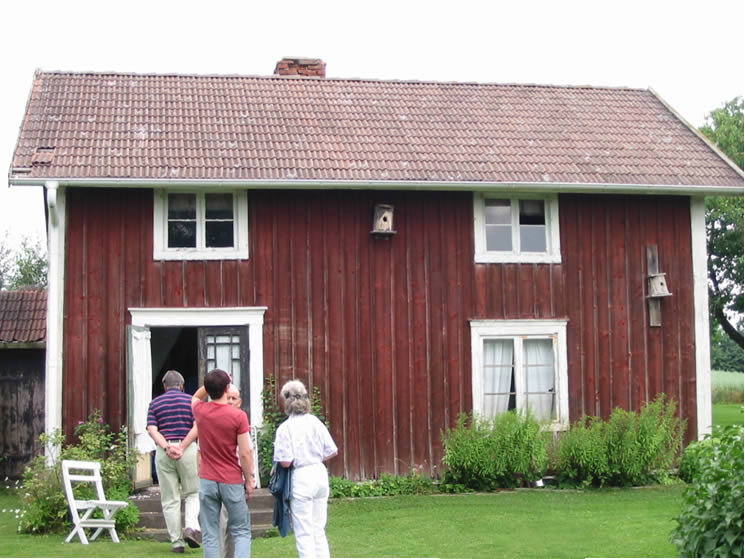
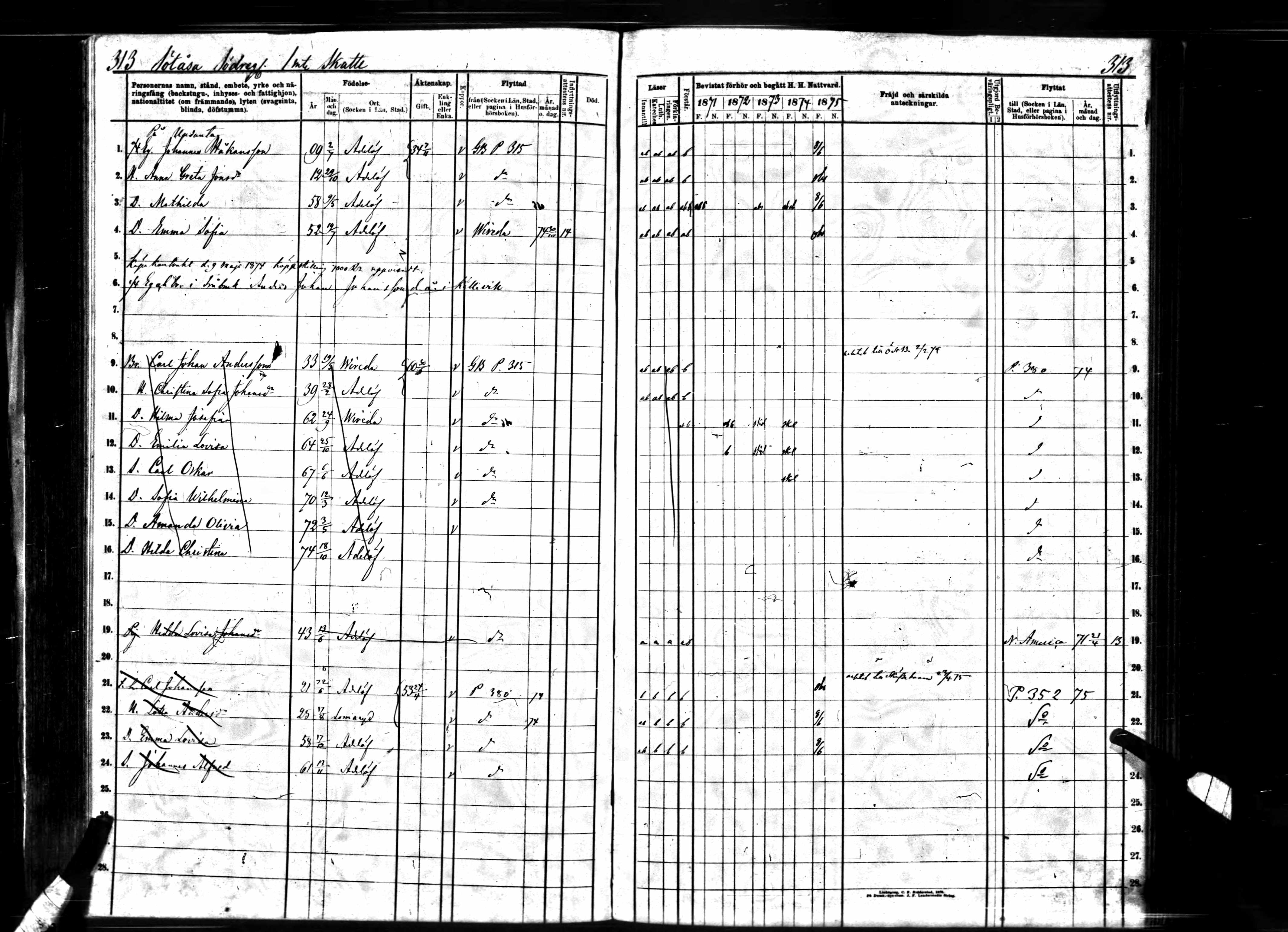
Johannes built the new house at Sötåsa 1869 – the year after the 3 first children:Gustaf Fredrik 34, Hedda Lovisa,25 and Augusta Charlotta,18, emigrated to the US. 1867 had been a year of starvation in Småland but he took a loan of 900 riksdaler in ‘Smålands hypoteks-förening’ and built it. (Hypoteksförening= Mortage society: An association of property owners who pooled their money to lend for mortgages to fellow members.) 1868 the oldest daughter Christina, who had been away to work as a maid on other farms, came back, married with 4 children and she and her husband Carl, leased some of the farmland from Johannes and Anna-Greta. The same day they moved back Nov 19 – Johan August also moved back to the farm after some time away. This was Johan Augusts birthday. Also Hedda Lovisa came back after having been out working as a maid.
Johannes and Anna-Greta had an older Maid (TjänsteHjon) living with them her last year of life 1866-67: Maja-Stina Andersson born 1892 from Adelöf (She became 75 years old).
In May 1874 – when Johannes was 65 years old, he signed a contract selling his farm to his closest neigbour Anders Johan Johansson (the elderly) in Källevik, for 7000 Riksdaler.- Källevik is the closest neighbouring farm of Sötåsa in the east. *1
1/8 of Önnestorp, the farm on the other side of the lake, was the same day sold to the daughter Christina and her husband Carl Johan Andersson, who lived at Sötåsa and they moved there. A special contract was made: an Undantagscontract (-Excluding contract) which stated that Johannes and Anna-Greta would be able to stay at Sötåsa for the rest of their lives. They kept the smithy and lived in ‘the Little house’ which probably was the older house# of the farm from before 1869. In the contract there were also agreement of quite a lot of things the buyers would supply the old couple with yearly, so that they would survive. It was quite a usual thing to make this kind of Excluding contract at the time, but a bit unusual that it was not sold to one of the inheritants but also that they kept quite a few rights- more than usual- as long as they lived. According to our ‘geneology father’ Rune Blomdahl– this might have been an argument for their own children to not wish to buy and inherit the farm for further use. The youngest daughter Matilda was still living at home, 16 years old by then.
Sötåsa has supposedly been in the same family up until 9th of May/confirmed 5/10 1874 when Johan Johansson from Källevik bought it. (Contracts were always done in two steps this way with half a year apart- one in the spring and one in the fall) There were lots of tools from Johannes smithy and carpentry and also an old clock which was said had been made by Johannes. The transactions and former ownerships were witnessed and signed by the father-in-law-to-be (1876) of Johannes son Johan August; Johan Samuelsson from Sötåsa North Farm.
Johannes and Anna-Greta both lived and stayed at the farm until Johannes died the year of 1890- after this the excluding contract was kept, but Anna-Greta probably moved to live with her daughter Christina who lived on the other side of the lake in Önnestorp*
When Johan Johansson – the older, from Källevik died, the farm was sold at an auction for a symbolic 2 riksdaler 1897, It was sold to Johan d.y. (the younger) and Georg Johansson at an auction and the excluding contract was also presented and continued with the new owners. Anna-Greta lived until 1900.
7 of Johannes and Anna-Gretas children emigrated to the US while he was alive. Only Johan August, Christina and Johanna were still in Sweden all of Johannes’ life.
Noone really knows why the farm was not inherited or bought by one of the children. Some have said that they think Johannes was quite willful and maybe didnt get to an agreement with his children.
Swedish Churchbook references of Johannes life: